
Rachel Hughes (50 over 50 Vol. 2)
**Rachel’s story is a deeply moving and courageous account of reclaiming one’s narrative. I’m incredibly grateful to her for sharing something difficult, in the hope that it might help others.
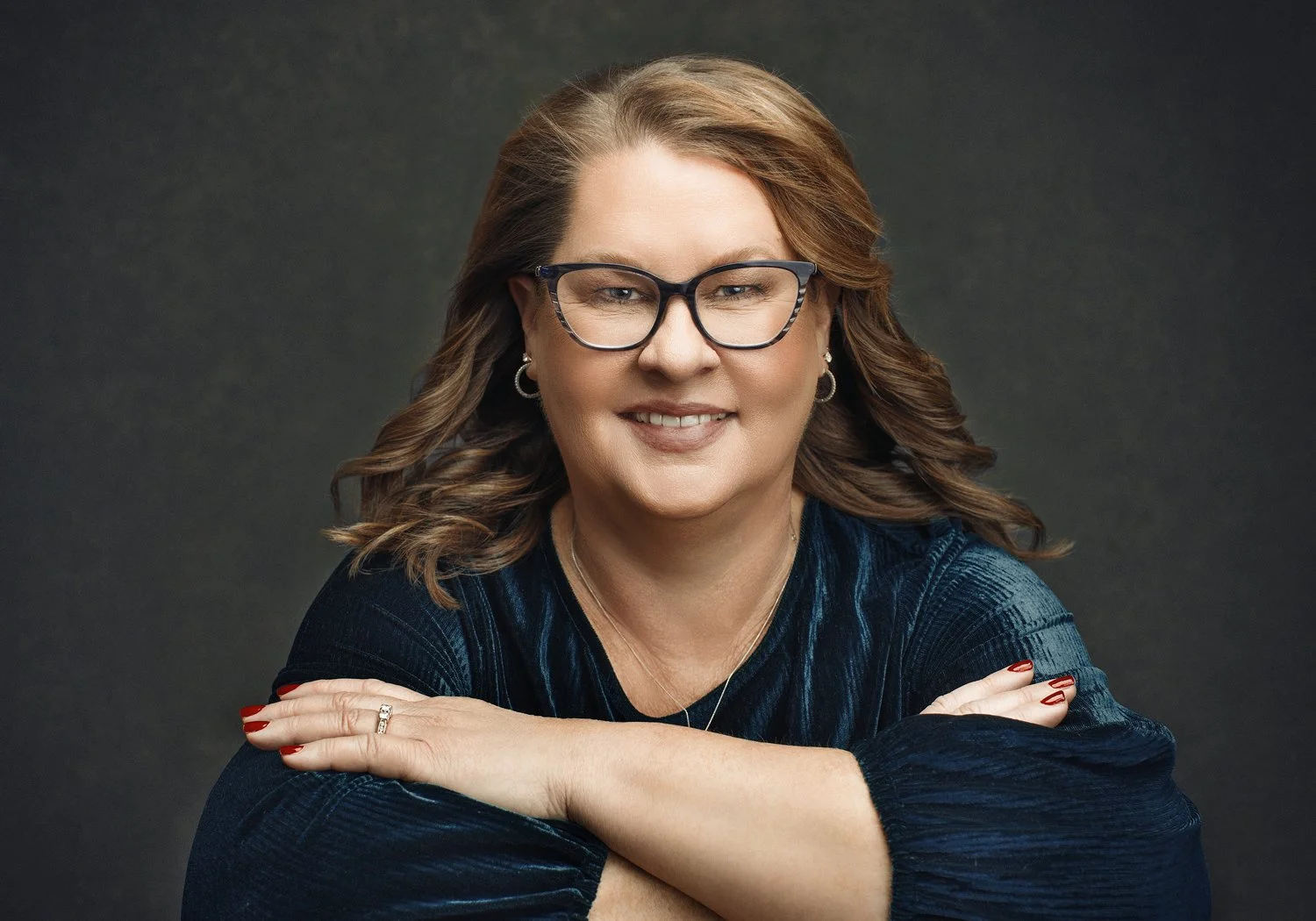
For forty years, the truth lived deep in her body, silent and compressed. Rachel had built a life, a career, and an identity on top of a foundation she didn’t realize was hollowed out by a haunting. Then, in the flickering light of a movie theater, the silence broke.
"My life changed when I turned forty—not in the way you might expect, but in a deeply profound one," she recalls. "I was sitting in a theater watching a movie when a scene appeared in which an older man fantasized about a very young girl. Something inside me snapped. I suddenly couldn’t breathe."
That gasping for air wasn't just a physical reaction; it was the beginning of an internal earthquake. She rushed into the hallway, pacing, her body finally demanding she look at what had been buried.
““As a child, I believed no one helped me because I was unworthy of help. As an adult, I understand that this was never true.””
Healing requires a unique bridge between the physical and the emotional. At the time, she was married to a specialist in neuro-emotional work, a practice rooted in ancient Chinese traditions. This methodology suggests that our organs hold the weight of what we cannot speak. Over several weeks, the "compressed" past began to decompress.
The descent into memory was visceral. It wasn't just a vague recollection; it was a total immersion.
"As the process unfolded, the emotions were so raw it felt as though I had been transported back into that house, reliving the abuse. I could see what I was wearing, the bright copper pans on the top shelf, my uncle standing in a secluded corner."
With the memories came clarity. The "imposter syndrome" she had felt in her professional life, the "nonexistent self-esteem," and the feeling of being "undeserving of belonging" weren't personality flaws. They were the logical symptoms of a child who believed she was unworthy because no one had stepped in to save her.


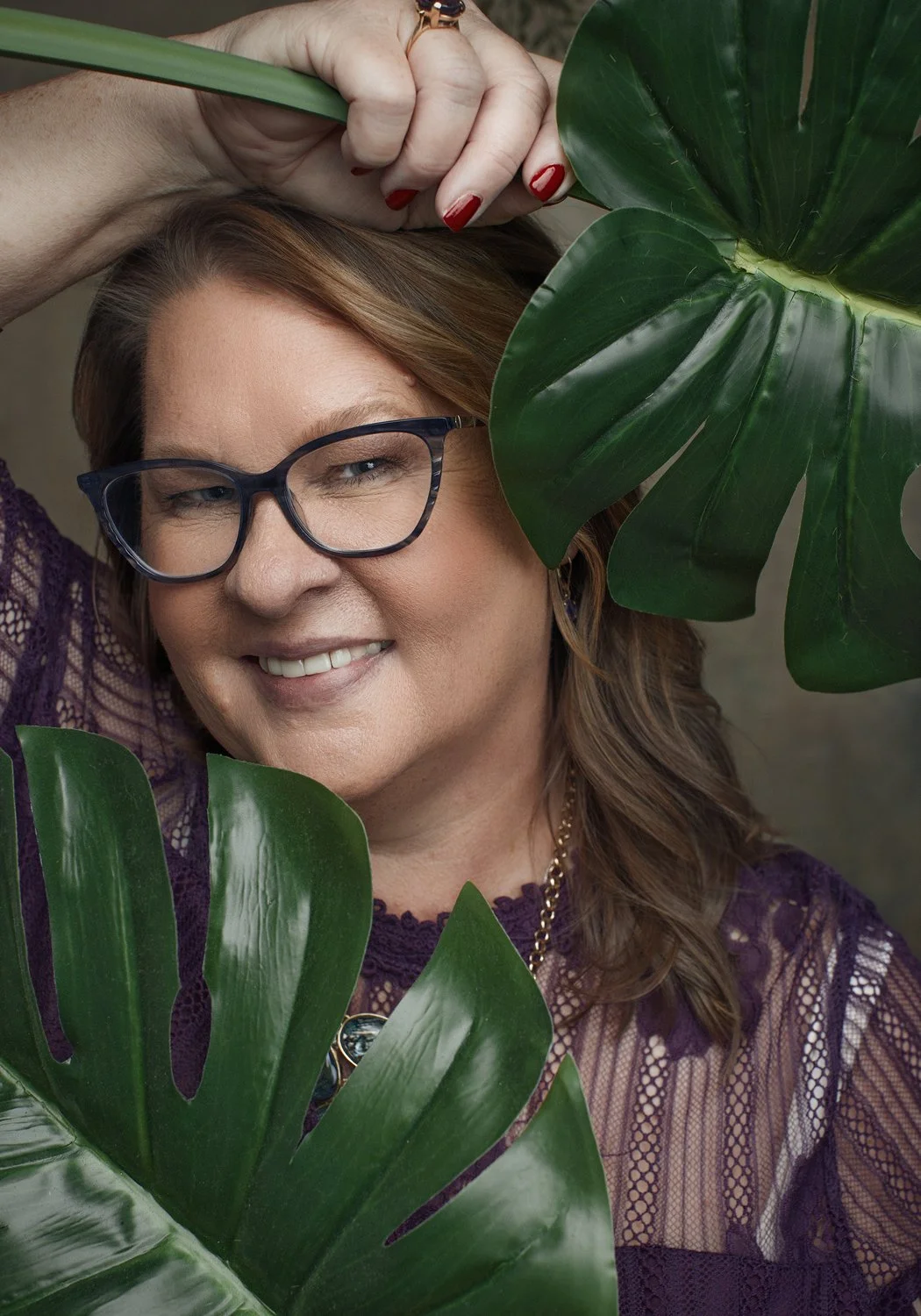
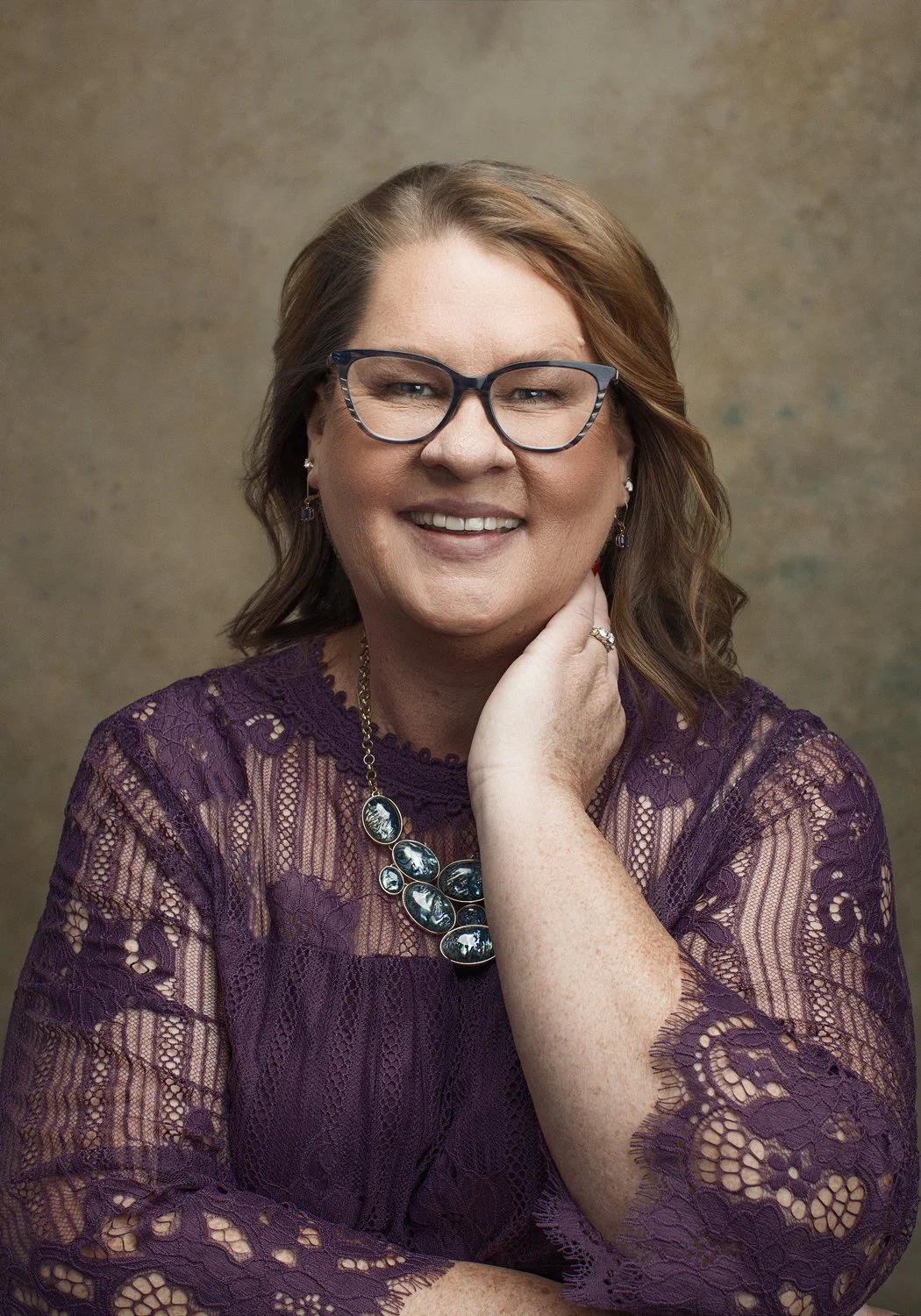
"The profound helplessness I had felt as a child was at the root of my nonexistent self-esteem," she explains. "That abuse had planted the belief that I was an imposter, undeserving of confidence or belonging."
Today, the work continues. Rebuilding a sense of worth after it has been systematically dismantled in childhood is, as she describes it, "necessary work." But from that pain, she has forged a shield for others. Her message to young female leaders is born from the fire of her own awakening: do not let the echoes of the past dictate the volume of your future.
"To young female leaders, I offer this: do not listen to the voice of fear that tells you are unworthy of the role you hold... move forward boldly, embracing the passion, strength, and uniqueness that belong only to you.”
What would you tell your 20 year-old self:
At 20, I was pregnant with my first child—unmarried and abandoned by his father. If I could go back and tell her anything it would be “Relax, you’ve got this. There will be hard days, weeks, years… but your ‘community’ will support you. And, in the end, it will all be worth it when you see that baby boy grown up and thriving.”